
2.5bn
people need at least one assistive product
WHO & UNICEF, Global Report on Assistive Technology (2022)
Raising awareness for amputee needs is part of our mission, not a side effect of fundraising. This page sets out what we understand about the gap, with sources, so you can check it yourself.
Prostheses sit inside a broader category the World Health Organization calls assistive products. The access figures for that category are stark.
WHO & UNICEF, Global Report on Assistive Technology (2022)
WHO & UNICEF, Global Report on Assistive Technology (2022)
WHO & UNICEF, Global Report on Assistive Technology (2022)
Global figures are easy to read past. This is the same problem measured inside a single emergency room. Between April 2025 and April 2026, Médecins Sans Frontières and Directorate of Health teams at Deir ez-Zor National Hospital in Syria treated more than 215 people injured by landmines, unexploded ordnance and abandoned explosives.
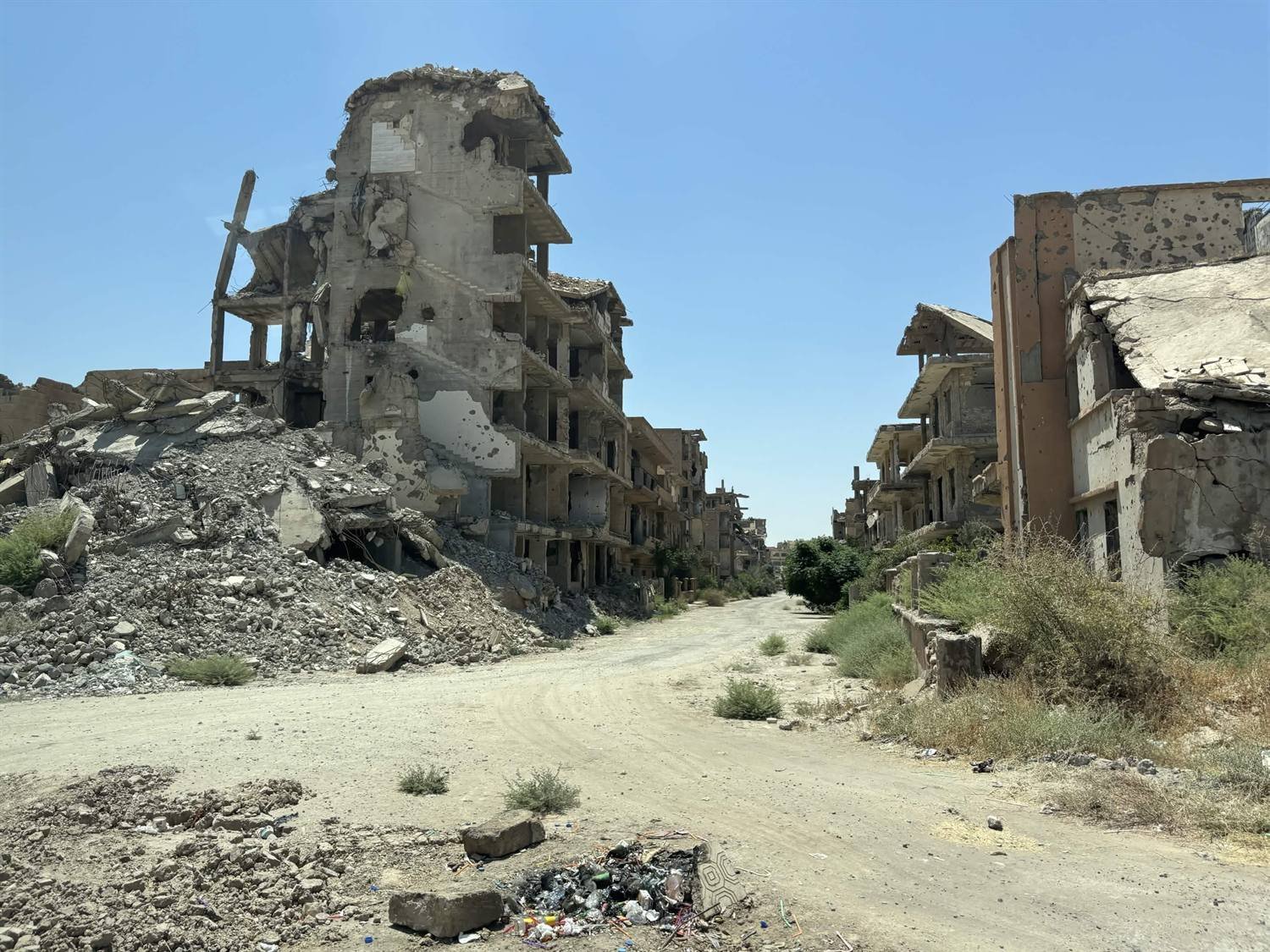
That waiting list is the part no emergency room can fix. Surgery stops the bleeding. A prosthesis and the physiotherapy to use it are what return someone to work, school and their own household, and they are exactly what runs out first.
Source: Ministry of Health, Deir ez-Zor, Syria
“If I had access to artificial limbs, maybe I could regain part of my life.”
The hospital treats the blast injury. What happens afterward is the part that fails. Dr. Ammar Al Rajab, who heads the orthopedic department at Deir ez-Zor National Hospital, told MSF that the number of injuries often exceeds the hospital's capacity, and that post-discharge care is particularly weak, with “a critical lack of prosthetics specialists and rehabilitation services.”
That sentence is the reason Open the Gait exists. Emergency surgery saves a life; a prosthesis and physiotherapy give it back. In Deir ez-Zor, as in every setting we fund, the second half of that sequence is the half nobody is paying for.
Deir ez-Zor is documented because MSF is present and publishing. Most contaminated regions have neither. The pattern is consistent wherever conflict has ended but its ordnance has not: civilians injured while farming or grazing livestock, a functioning emergency room, and no route to a fitted limb afterward.
All figures on this page from Médecins Sans Frontières, Syria: Explosive ordnance continues to injure and kill people in Deir ez-Zor (25 June 2026), and its accompanying report Explosive Remnants of War: Lasting Harm in Deir Ez-Zor, Syria.
Rarely because the clinical knowledge is missing. Almost always because something in the surrounding system is.
Armed conflict produces traumatic amputations in volume, while damaging the hospitals, workshops, roads and supply routes that would treat them. Need spikes exactly where the system is weakest.
Where prosthetic care is not publicly funded, the cost of components and fabrication is paid out of pocket by households whose earning capacity has just been reduced by the amputation itself.
Prosthetic care needs repeated visits for casting, fitting, adjustment and training. For someone with limited mobility and no transport budget, distance alone can end the process.
Sockets need replacing as a residual limb changes; components wear out; children outgrow their prostheses. Care that is funded once, then abandoned, does not hold.
Framing prosthetic care as handing over a limb is the most common mistake in fundraising for this cause, and it is the reason well-intentioned programs leave people with equipment they cannot use.
Physiotherapy
Walking on a prosthesis is a learned physical skill requiring conditioning, balance retraining and supervised practice.
Follow-up and refitting
Residual limbs change shape, especially in the first year. A socket that fit in month one may be unwearable by month six.
Dignity and participation
Returning to work, school and social life is the actual outcome. The device is a means to it, not the end of the story.
We would rather point you at the primary sources than ask you to take our word for it.
The reference document on who needs assistive products worldwide and who actually receives them.
Read the reportWhat good prosthetic and orthotic services look like, and what is required to deliver them.
Read the standardsHow physical rehabilitation programs operate in the exact settings our funding is aimed at.
See the programTwelve months of blast-injury data from one Syrian hospital, including 58 traumatic amputations.
Read the findingsIf you believe anything here is inaccurate or out of date, please tell us and we will correct it.
Funding materials, components and therapy equipment is the most direct way to move any of these numbers.
.jpg)